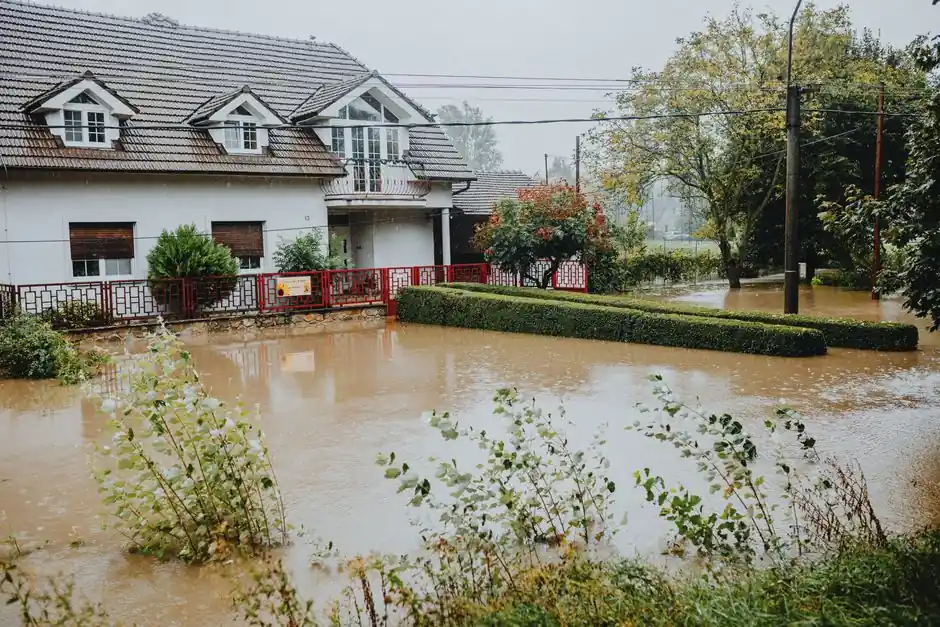
Water damage can lead to serious problems if not addressed promptly, with mold growth being one of the most concerning. Mold thrives in damp environments, making it crucial to implement effective prevention strategies after any water damage restoration. This post will cover essential steps to ensure your home remains mold-free after restoration efforts in Memphis.
Understanding Mold Growth
Mold is a type of fungus that can grow on various surfaces, particularly in areas with high humidity and moisture. In Memphis, the warm climate and humidity levels can create ideal conditions for mold growth, especially after water damage incidents. Understanding how mold develops can help you take the necessary precautions to prevent it.
Immediate Actions to Take
After water damage restoration, the first step is to assess the situation thoroughly. Here are some immediate actions you should take:
- Inspect all affected areas for moisture and water retention.
- Remove any wet materials, such as carpets or upholstery, that cannot be dried effectively.
- Ensure that all repairs are completed to prevent further water intrusion.
By acting quickly, you can significantly reduce the risk of mold establishing itself in your home.
Drying and Dehumidification
Proper drying is essential to mold prevention. Use the following methods to ensure your home is adequately dried:
- Utilize fans and dehumidifiers to lower humidity levels.
- Open windows when possible to promote airflow.
- Consider professional structural drying services to ensure all areas are properly dried.
In Memphis, where humidity can be a problem, maintaining a low indoor humidity level (below 60%) is crucial.
Ventilation and Airflow
Good ventilation helps prevent moisture buildup. Here are some tips:
- Ensure that your HVAC system is functioning correctly and is regularly maintained.
- Install exhaust fans in bathrooms and kitchens to reduce moisture.
- Keep doors between rooms open to promote airflow.
By improving ventilation, you help to keep the air dry and less conducive to mold growth.
Regular Maintenance and Inspections
Regular maintenance can help you catch potential mold issues before they escalate. Here are some steps to consider:
- Conduct routine inspections of your home, focusing on areas prone to moisture.
- Check for leaks in plumbing and roofs, especially after heavy rain.
- Schedule regular water damage inspection and assessment to identify vulnerabilities.
In Memphis, staying proactive about maintenance can save you from costly repairs and health risks associated with mold.
Common Mistakes to Avoid
Even with the best intentions, homeowners can make mistakes that increase the risk of mold growth. Here are common pitfalls to avoid:
- Ignoring small leaks, which can lead to significant moisture problems.
- Not using dehumidifiers in humid months.
- Failing to clean and maintain gutters, which can cause water overflow.
By being mindful of these mistakes, you can better protect your home from mold.
When to Call a Professional
If you notice signs of mold or persistent moisture, it may be time to reach out for professional help. Water Damage Restoration Memphis can assist with mold remediation and offer expert advice on preventing future issues.
Frequently Asked Questions
What are the signs of mold growth?
Mold often appears as black, green, or white spots on walls, ceilings, or floors. A musty odor is also a common indicator of mold presence.
How long does it take for mold to grow after water damage?
Mold can begin to grow within 24 to 48 hours after water exposure if conditions are right. Quick action is essential.
Can I remove mold myself?
Small patches of mold can sometimes be cleaned with soap and water, but larger infestations should be handled by professionals to ensure safety and thorough removal.
How can I prevent mold in my basement?
Keep your basement dry by using dehumidifiers, sealing cracks, and ensuring proper drainage away from the foundation.
Is mold removal covered by insurance?
Coverage for mold removal varies by policy. It's best to check with your insurance provider for specifics related to your coverage.