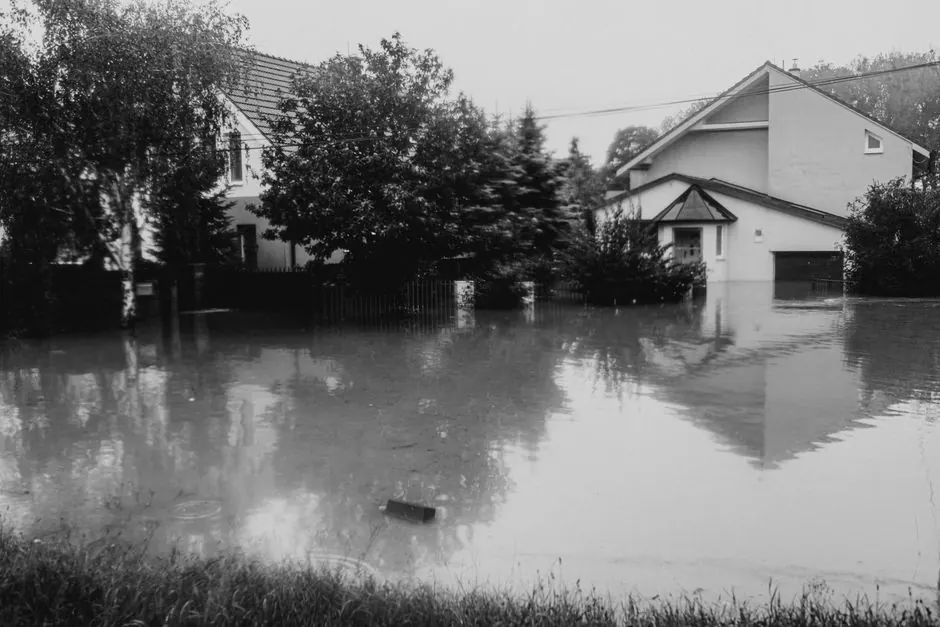
Memphis storm season can bring heavy rains and severe weather, leading to potential water damage in your home. Understanding how to prepare your home can save you from costly repairs and health hazards. This article will provide practical tips for preventing water damage during storm season in Memphis.
Understanding Memphis Storm Season
In Memphis, storm season typically spans from late spring to early fall, with peak rainfall occurring between April and September. During this period, thunderstorms can develop quickly, often resulting in flash flooding. Knowing the local weather patterns and preparing your home in advance is crucial to safeguarding your property.
Common Types of Water Damage
Water damage can take many forms, and being aware of these can help you identify potential risks. Common types of water damage include:
- Flooding: Heavy rains can overwhelm drainage systems, leading to basement flooding.
- Roof Leaks: Storms can cause shingles to lift, allowing water to seep into your home.
- Window Leaks: Poorly sealed windows may allow rainwater to enter during storms.
- Foundation Issues: Water pooling around your foundation can lead to cracks and structural damage.
Preparing Your Home
Taking proactive steps can significantly reduce the risk of water damage. Here are some essential preparations:
Inspect Your Roof
Check for missing or damaged shingles and ensure your roof is in good condition. Regular maintenance can prevent leaks during heavy rains.
Clean Gutters and Downspouts
Ensure your gutters are clear of debris to allow proper water flow. Downspouts should direct water at least 3-4 feet away from your home's foundation.
Seal Windows and Doors
Inspect the seals around windows and doors for any gaps. Use caulk or weather stripping to seal these areas and prevent water intrusion.
Consider a Sump Pump
If your home is prone to flooding, installing a sump pump can help remove water quickly. Regularly test the pump to ensure it's functioning correctly.
Check Your Landscaping
Ensure that the grading of your yard slopes away from your foundation. Proper landscaping can help divert water away from your home.
What to Watch Out For
While preparing your home, be aware of common mistakes that can lead to water damage:
- Neglecting to check your roof after a storm.
- Ignoring signs of water stains or mold growth.
- Failing to maintain your gutters and downspouts.
- Not having an emergency plan in place for severe weather.
When to Call a Professional
If you experience significant water damage or flooding, it's essential to call a professional. At Water Damage Restoration Memphis TN, we provide expert services to assess and restore your home after water damage. Our team is equipped to handle emergencies and prevent further damage.
Frequently Asked Questions
What should I do if my basement floods?
Immediately turn off the electricity and call a professional for water removal. Do not attempt to enter the flooded area until it is safe.
How can I tell if I have water damage?
Look for signs like water stains on walls, peeling paint, or mold growth. A musty smell can also indicate hidden water damage.
Is it safe to stay in my home during a storm?
If your home is structurally sound and you have taken precautions, it is generally safe. However, always have an emergency plan in place.
How often should I inspect my home for water damage?
Regular inspections, at least twice a year, can help you catch issues early. It's especially important to check after severe weather.
What services do you offer for water damage restoration?
We offer a range of services, including emergency water extraction, mold remediation, and structural drying to restore your home.